Safe Learning
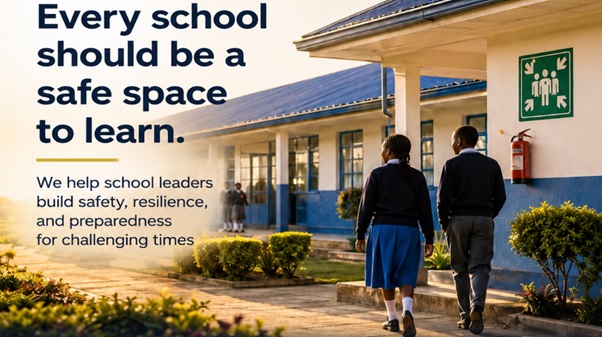
School environments are expected to be safe spaces for all students, teachers, non-teaching staff, parents and the overall community.
However, we have over the years witnessed several incidences that have led to disruptions to learning and have created unsafe environments for all.
While some of these incidences cannot be mitigated, there are those that can be prevented through clear planning and involvement of the relevant stakeholders.
Insurance is a risk mitigation and risk management business and through the Association of Kenya Insurers, we are keen to walk with school leaders to build resilience and preparedness for challenging times.
Schools are running institutions and therefore require assessment of their ability to continue with operations should they experience a challenge. The best way to establish this is through a taking a business continuity plan readiness survey.
We have prepared a questionnaire that will help school leaders appreciate how ready they are to continue with operations in the event of a disruption.
We urge all school heads to download a copy and complete the survey in collaboration with teachers, Board of Management and other relevant stakeholders.
Business Continuity Plan (BCP) Readiness Questionnaire for High SchoolsCompleting the Business Continuity Plan readiness survey will clearly highlight the risk areas that require immediate attention and those that require longer-term attention. The next step is to fill out the Risk Management Template that will provide you with clear a implementation guide including documentation of existing controls, assigning responsibility, , and tracking the school’s preparedness to continue with learning after a major disruption.
Download a copy of the Risk Management TemplateRisk Management Template for schools
What numbers tell us about Insurance Coverage in schools.
We collected data from insurance companies for the period 1st January to 31st December 2024 on insurance covers they have beyond motor insurance.
The report found that only 14.6% of the 46,322 primary and secondary schools in Kenya are insured with non-motor policies. This leaves over 85% of schools financially exposed to losses from fires, accidents, theft, and other perils. The current situation places the financial burden of recovery squarely on parents, communities, well wishers, and the government.
Without decisive policy changes, Kenya's schools will remain vulnerable to disasters, threatening lives, disrupting learning, and placing an unsustainable financial strain on the government, parents and local communities.
We have attached an executive summary of the report for your appreciation.
Executive Summary Report on School Risk Management and Insurance